
Last updated November 21, 2026
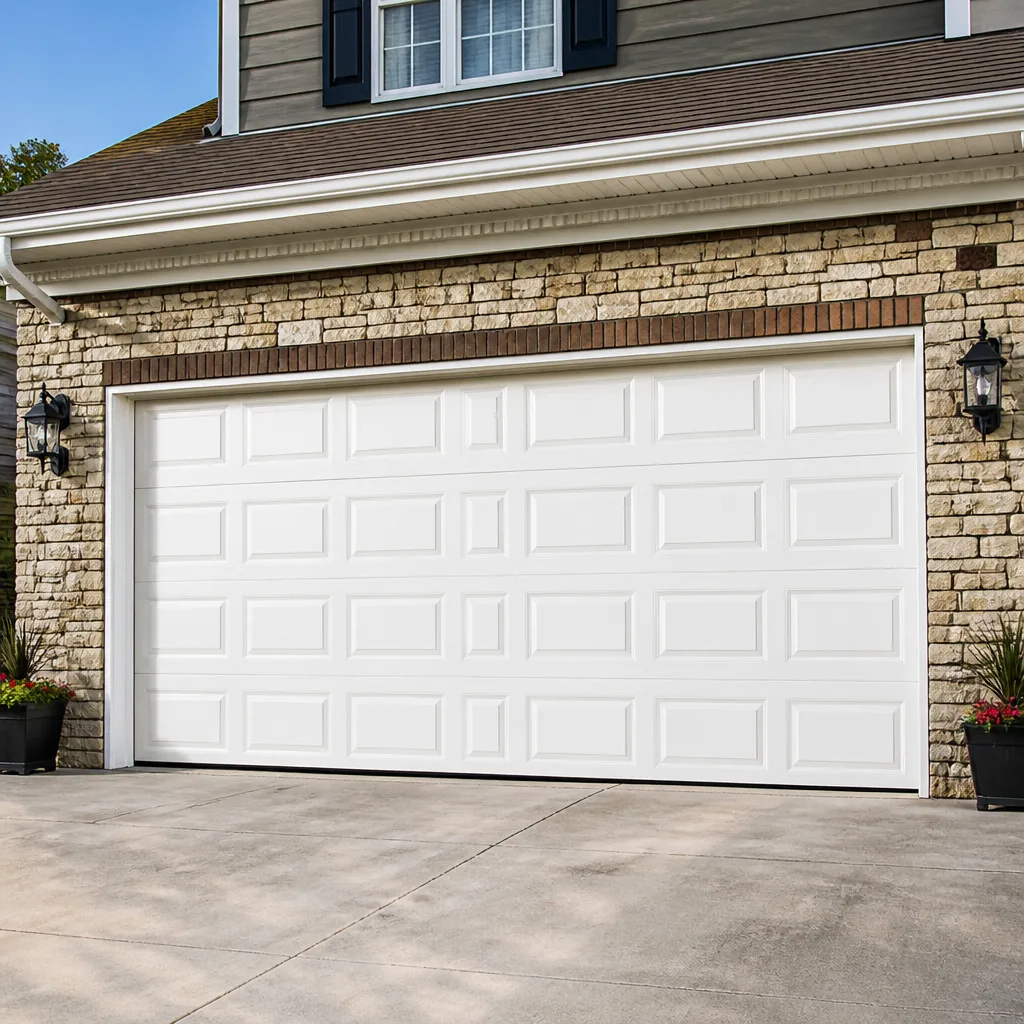 Raised-panel steel
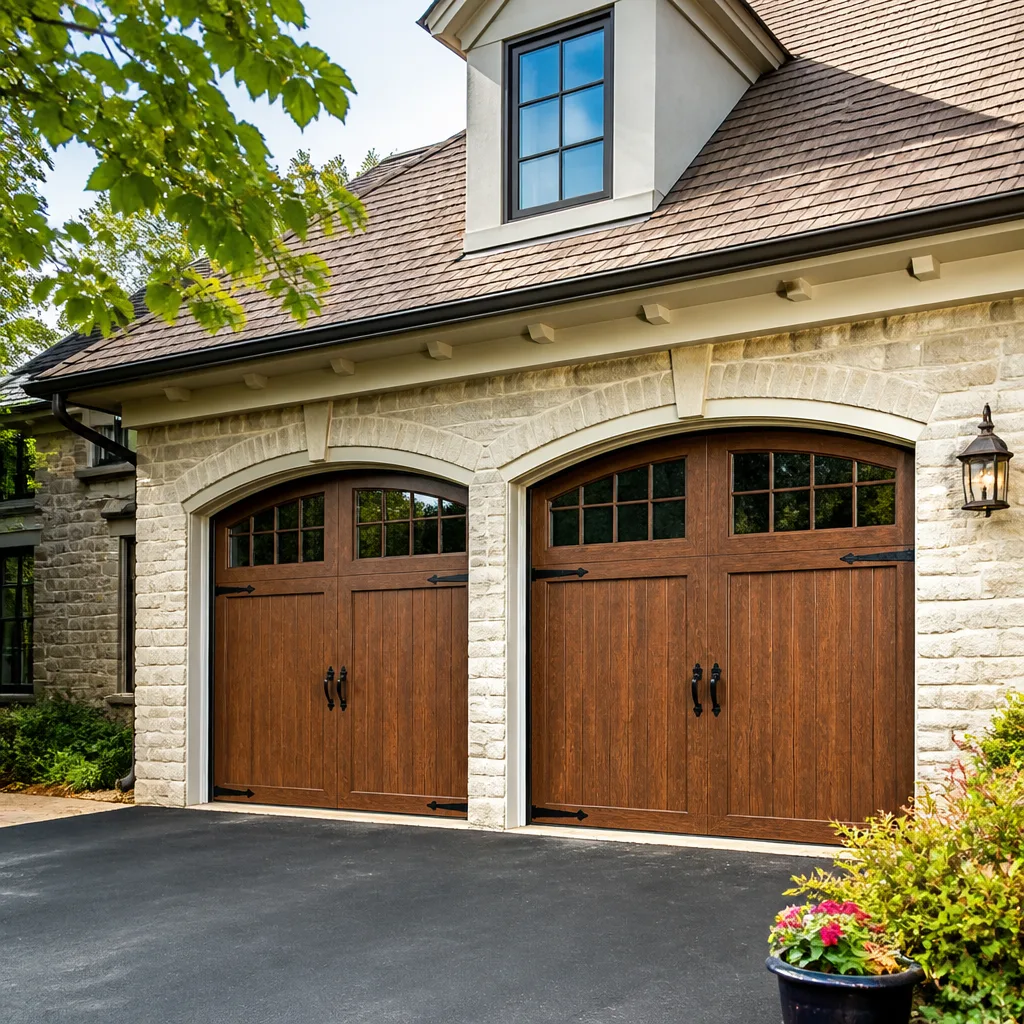 Carriage house
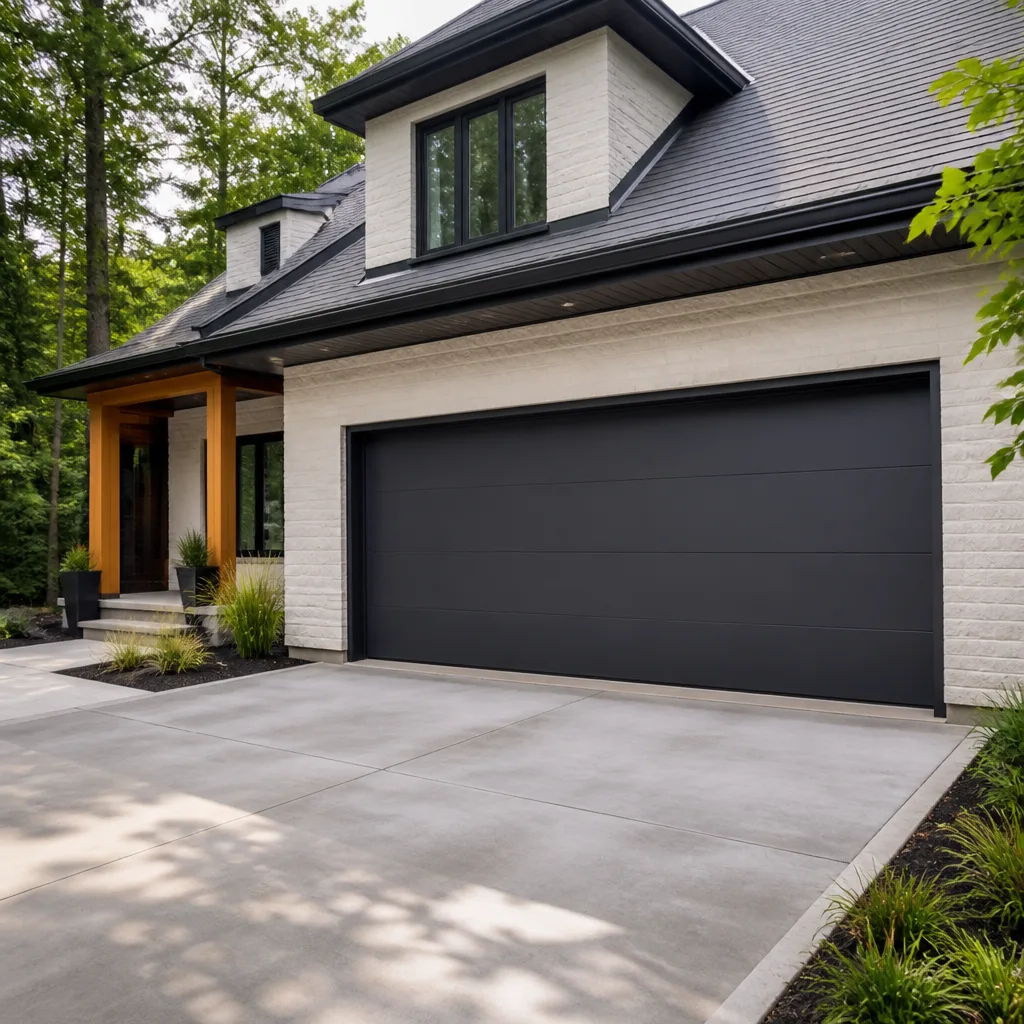 Modern flush
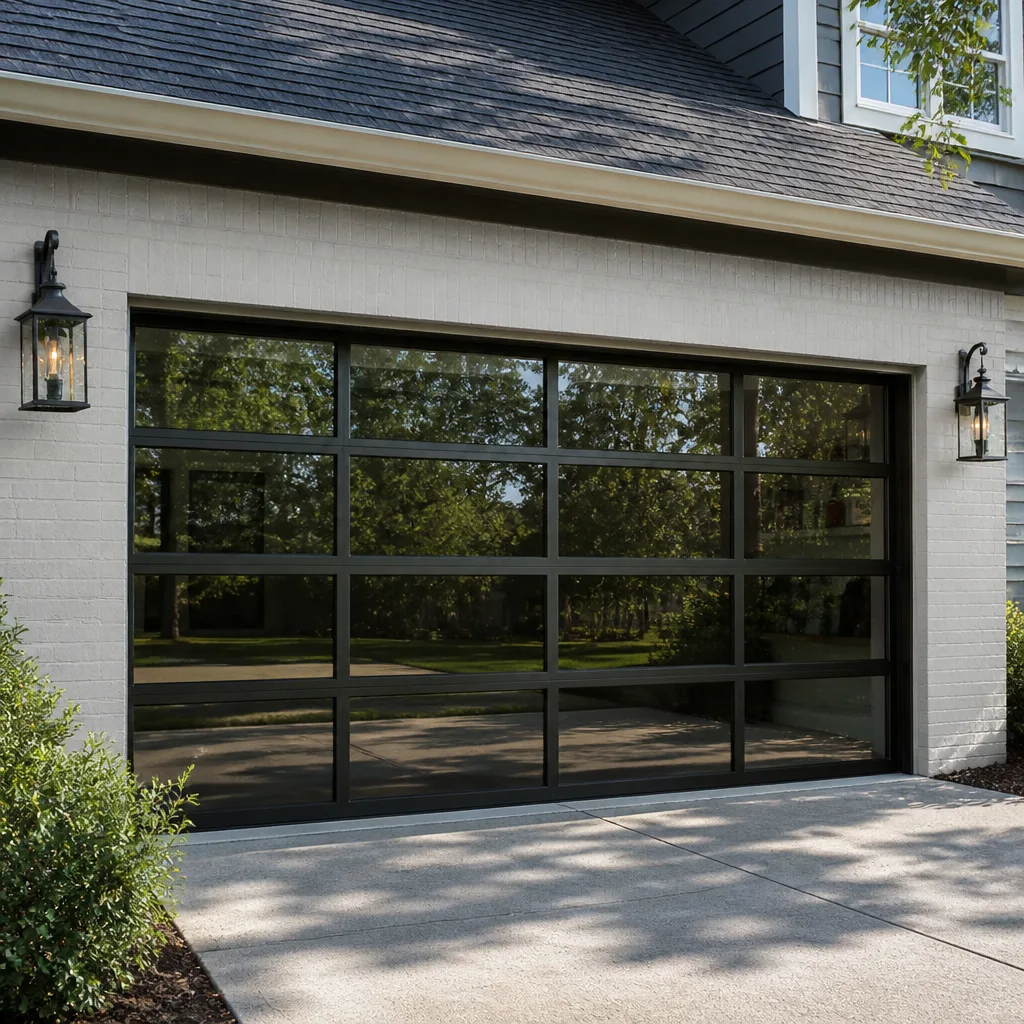 Full-view glass
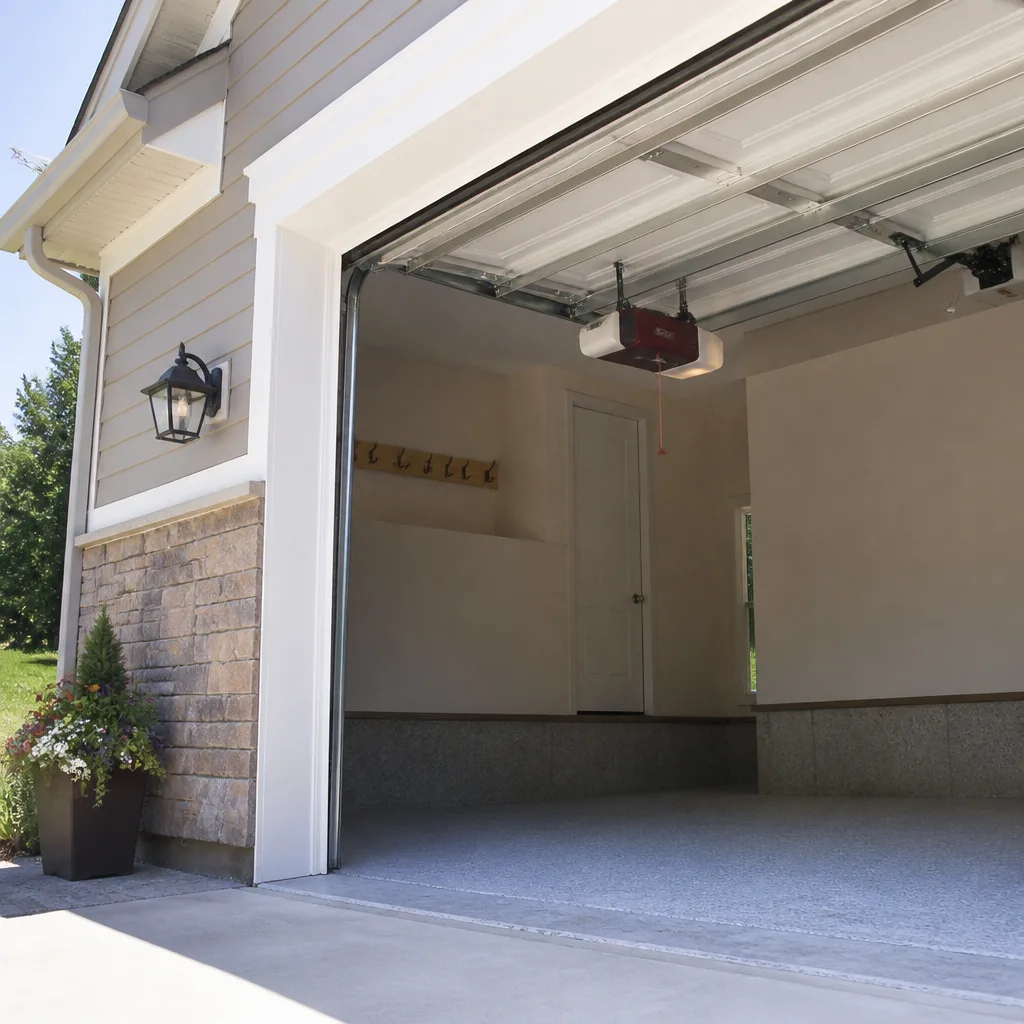 LiftMaster openers
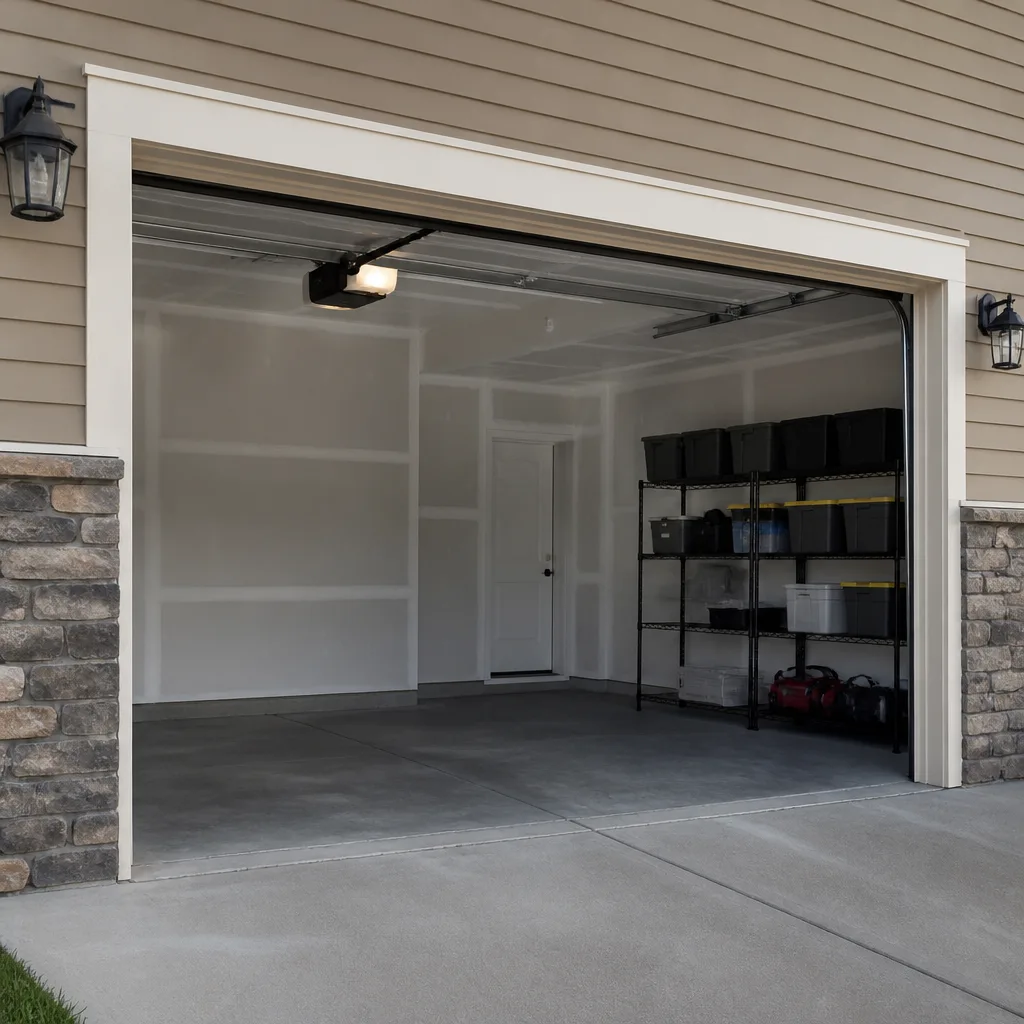 Chamberlain openers
Full 25-point door and opener safety check with every visit - springs, cables, rollers, tracks, and your LiftMaster or Chamberlain opener included
You get a price before we start. It does not change when the pro arrives.
Get your free estimateDIY vs Professional Garage Door: The Renton Homeowner’s Decision Guide
Most homeowners think the DIY-versus-pro question is about skill. It isn’t. It’s about physics and liability. A residential torsion spring holds hundreds of pounds of stored energy, and when it lets go it does so without warning or negotiation. That’s not a liability disclaimer tacked onto a sales pitch – it’s the starting point of any honest conversation about what you should touch and what you shouldn’t. This guide draws a hard line between the garage door tasks that are genuinely homeowner-appropriate and the ones that carry injury risk or insurance exposure here in Renton, WA. You’ll learn which jobs save you real money to do yourself and which ones quietly become the most expensive gamble in your house.
Quick Answer
The garage door jobs safe for a homeowner are weatherseal replacement, sensor alignment, lubrication, and remote reprogramming. Torsion springs, cables, and track realignment are professional-only work because the stored energy and injury risk are too high to manage without the right tools and training. For anything in that second category, call Renton Garage Door Repair Pros at (833) 508-9224 for a free estimate – the written price is agreed before any work starts.
Styles & brands we work with
- Raised-panel steel
- Carriage house
- Modern flush
- Full-view glass
- LiftMaster openers
- Chamberlain openers
Table of Contents
- Where the DIY Line Actually Falls
- The Real Math on DIY Spring Repair
- Washington State Liability and Your Homeowner’s Insurance
- Opener Brands: Which Are Homeowner-Friendly?
- When a Quick Fix Makes the Damage Worse
- The Four Tasks You Can Do Yourself
- How to Decide, in Order
Where the DIY Line Actually Falls
The line isn’t about confidence. It’s about consequence. A weatherseal that goes on crooked just looks bad. A torsion spring that releases wrong can break a wrist or worse. Garage doors are the largest moving object in a house, and everything under load in that system deserves respect. We’ve seen plenty of Renton homeowners assume any door problem is a job for a handyman, then discover the handyman won’t touch half of it. That’s not because handymen are lazy. It’s because they know torsion spring work requires specific tools and specific training, and the liability of getting it wrong falls on whoever touched it last.
Here’s the split as we practice it:
- Homeowner-appropriate: weatherseal replacement, photo-eye sensor alignment, lubrication of rollers and hinges, remote control reprogramming, and visual inspections.
- Professional-only: torsion and extension spring replacement, cable replacement, track realignment, opener motor and circuit work, and any panel that’s bent out of alignment.
The middle category is where people get into trouble – problems that look simple but sit inside a system under tension. A binding door, for example, is usually a symptom of a track or roller issue that compounds fast. If you’re going to force it, you’re not fixing a symptom, you’re loading the weakest link.
If you’re not sure which category you’re in, treat it as professional and get a read. A free estimate on garage door repair costs you nothing and gives you a straight answer.
The Real Math on DIY Spring Repair
DIY spring replacement almost never pencils out, and the reason is simple: the tool investment alone is steep. Torsion springs aren’t turned with what you’ve got in the toolbox. You need winding bars, which are specific to the job and dangerous when improvised, plus a couple of other specialty pieces most homeowners will never use again. Add the price of the correct replacement spring, matched to your door’s weight and cycle life, and the savings over a professional repair shrink fast.
Then there’s the part that doesn’t show up on a receipt. The injury risk of spring work is high enough that a single urgent care visit will outspend whatever you saved. Factor in weeks off work if it goes worse, and the math becomes clear. You’re not comparing a $150 DIY project to a $300 pro repair. You’re comparing a $150 DIY project to a $300 pro repair compared against the possibility of a recovery timeline and a bill that dwarfs both.
Here’s the honest breakdown of what a typical spring issue involves:
- Correct replacement spring matched to your door’s weight and expected cycle life
- Winding bars and specialty tools, often purchased for a single use
- The risk of injury if the spring releases while you’re under it
- Potential damage to the opener, cable, or door panel if the tension is set wrong
We handle tension spring work on LiftMaster and Chamberlain doors, along with every other common brand, so the right part is sourced and installed to spec. Our technicians have up to 13 years of experience with this exact work. Call (833) 508-9224 to get a free estimate on garage door spring repair. We answer 24/7.
Washington State Liability and Your Homeowner’s Insurance
Unpermitted structural work on an attached garage can complicate an insurance claim. That’s the part most homeowners don’t think about until after something goes wrong. If you do meaningful structural work to a garage that’s attached to your house and later file a claim, your insurer may ask whether the work was permitted. If it wasn’t, and the unpermitted work is connected to the damage, the claim can be denied or reduced. This is Washington-specific in the same way it’s true in most states, and it applies most directly to anything structural – door reinforcement, track anchor changes, header alterations.
Practically, that means:
- If the task is cosmetic, the permitting question rarely comes up.
- If the task touches framing, anchor points, or anything load-bearing above the door, ask your city’s building department first.
- If you’ve already had work done by someone else, get a paper trail from the contractor.
We don’t make permit decisions for homeowners – that’s between you and the city. But we do keep record of the work we do and what was replaced, and we’re happy to walk you through what we did and why. For standard repair and spring work, a permit usually isn’t part of the conversation. For anything structural, ask the city’s building department directly. They’ll tell you faster than anyone. If you’re considering a larger project, our garage door installation page covers what a professionally installed job looks like and what’s included in the scope.
Opener Brands: Which Are Homeowner-Friendly?
Some openers are genuinely approachable for a confident homeowner. Others aren’t, and the difference usually comes down to proprietary wiring and the way the head unit is programmed. Speaking in general terms, older-style units are more likely to have discrete, labeled terminals and straightforward pair procedures. Newer smart units tend to have more integration, more proprietary connectors, and setup routines that depend on the original remote, a specific app, or a particular sequence that isn’t obvious from the manual alone.
We work on LiftMaster, Chamberlain, Genie, and Raynor openers regularly, along with the other major brands, so we know which models are likely to have clean, owner-serviceable wiring and which may not. If you’re standing in your garage with a manual and a multimeter trying to figure out which one you’ve got, these are the questions that separate a five-minute job from a five-hour one:
- Can you identify the exact model number from the head unit label?
- Does the manual describe wiring in discrete labeled terminals or a proprietary harness?
- Does pairing a new remote require an existing working remote, or can it be done from the head unit alone?
- Is the unit tied to a smart-home integration that could break when the power cycles?
If the answer to any of those is “I’m not sure,” that’s usually your signal. We handle remote reprogramming and connectivity troubleshooting as part of a standard garage door opener repair call, and we can work through the model-specific quirks without guessing. That matters most for Chamberlain and LiftMaster units where the remote programming sequence can be finicky if you’re doing it for the first time.
When a Quick Fix Makes the Damage Worse
Forcing a binding door is the single most expensive quick fix we see. The door binds, the homeowner pushes through it, and within a few cycles the extra load wears out the opener’s gear, bends a track, or stresses a roller until it snaps. What started as a repair of a small alignment issue becomes a spring or opener replacement. This isn’t a scare tactic. It’s mechanical cause and effect.
Here’s how the escalation usually reads, in order:
- A door binds slightly. Maybe one roller is worn or a track is a quarter-inch out.
- The homeowner forces it open and closed for a few days because “it’s just a little sticky.”
- The extra load accelerates wear on the opener gear and stretches the cable.
- The door comes off the track or the cable snaps.
- Now it’s a repair that includes a spring, a cable, and possibly a new opener.
A binding door in Renton is often a seasonal issue – the door works most of the year, then the colder months bring a few weeks where the track adjusts or the rollers get stiff. A quick lubrication pass handles some of it. Many bindings don’t. If your door needs a nudge or a lift to close fully, that’s your signal. Stop using it and get it looked at. A binding door that gets a small repair early is a very different number than one that’s been forced for a week.
The Four Tasks You Can Do Yourself
These are the tasks we’d genuinely recommend a homeowner handle on their own. They’re low risk, they don’t involve tension or high-torque adjustment, and if they go wrong they fail visibly and safely rather than dangerously.
- Weatherseal replacement. The rubber strip along the bottom edge and the vertical jambs. It peels out and slides or pushes in, depending on the type. If yours is cracked, stiff, or letting the rain in, you can replace it yourself with a tape measure and a new length from a hardware store.
- Photo-eye sensor alignment. If the door goes down and reverses immediately, the sensors are usually out of alignment or one is blocked. Wipe the lenses, check that the two units point at each other, and adjust the brackets until the indicator light is solid.
- Lubrication. Rollers, hinges, and the torsion bar bearings. A garage door lubricant, not WD-40. Once or twice a year. This is the single highest return on effort for any garage door owner.
- Remote control reprogramming. For units that pair from the head unit, this is a two-minute job. If your opener is a smart model and the pairing routine doesn’t take, that’s where we’d step in.
What you shouldn’t do: adjust torsion springs, replace a cable, realign a track that’s been bent, or touch the opener motor and circuit board. Those are professional territory because the failure mode is dangerous, not just annoying.
Need a hand with the safety checks or anything in the second list? Call (833) 508-9224. We answer 24/7. Fast dispatch, 7am-7pm.
How to Decide, in Order
When something sounds wrong with your door, you need a fast way to figure out whether it’s a DIY job or a call. Here’s the order we’d walk through:
- Does the problem involve the spring, cable, or track? If yes, it’s professional. Full stop. Those three carry the tension and the injury risk.
- Does the problem involve the opener’s electrical components? If the opener won’t turn on, cycles weirdly, or the motor is hot, that’s professional.
- Is the problem visible and low-touch? A worn seal, a misaligned sensor, a squeaking hinge, or a remote that won’t pair are all likely DIY.
- Has the door been forced or bound for more than a day or two? If so, get a professional assessment before running it again. The cost compounding is real.
- Does the work touch the structure of the garage? If it’s anything beyond a seal or a sensor, ask the city’s building department what permits apply.
If you’re still not sure after walking through that, call. A free estimate gives you a real diagnosis and a written price, and you can decide from there whether to have us do the work or take a stab at it yourself with better information. Either way, you’re not guessing about which side of the line you’re on.
Common Mistakes to Avoid
- Using WD-40 as a garage door lubricant. It’s a solvent, not a lubricant, and it dries the moving parts out over time. Use a proper garage door lubricant on rollers and hinges.
- Forcing a binding door. Every cycle under extra load wears the opener and stretches the cable. Stop using it and get it diagnosed.
- Trying to adjust a torsion spring with improvised tools. The tension in a torsion spring can release unexpectedly. Winding bars exist for a reason and improvised tools are how people get seriously hurt.
- Skipping the permit conversation for structural work. If you’re touching anything load-bearing around an attached garage in Renton, ask the city’s building department first. It protects the insurance claim you might file later.
- Assuming any handyman can handle garage door work. Many won’t touch springs or cables at all, and the ones who will without training are the ones to be careful with.
- Replacing a remote without checking the opener first. If the opener is the problem, a new remote won’t help. Reprogram the existing one first to confirm.
- Ignoring a door that opens unevenly. Uneven travel is usually a spring or cable problem in progress. It gets harder and more expensive to correct the longer it runs.
See the difference
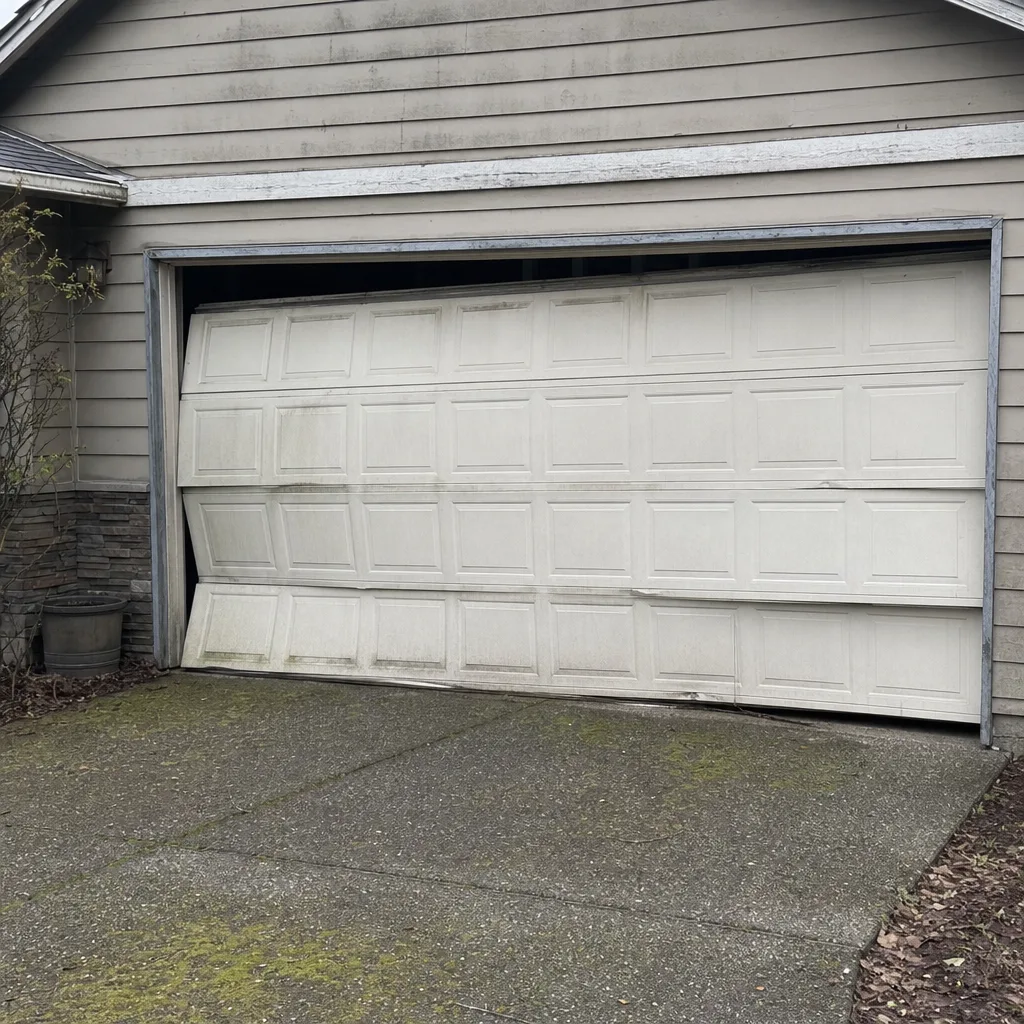 Before
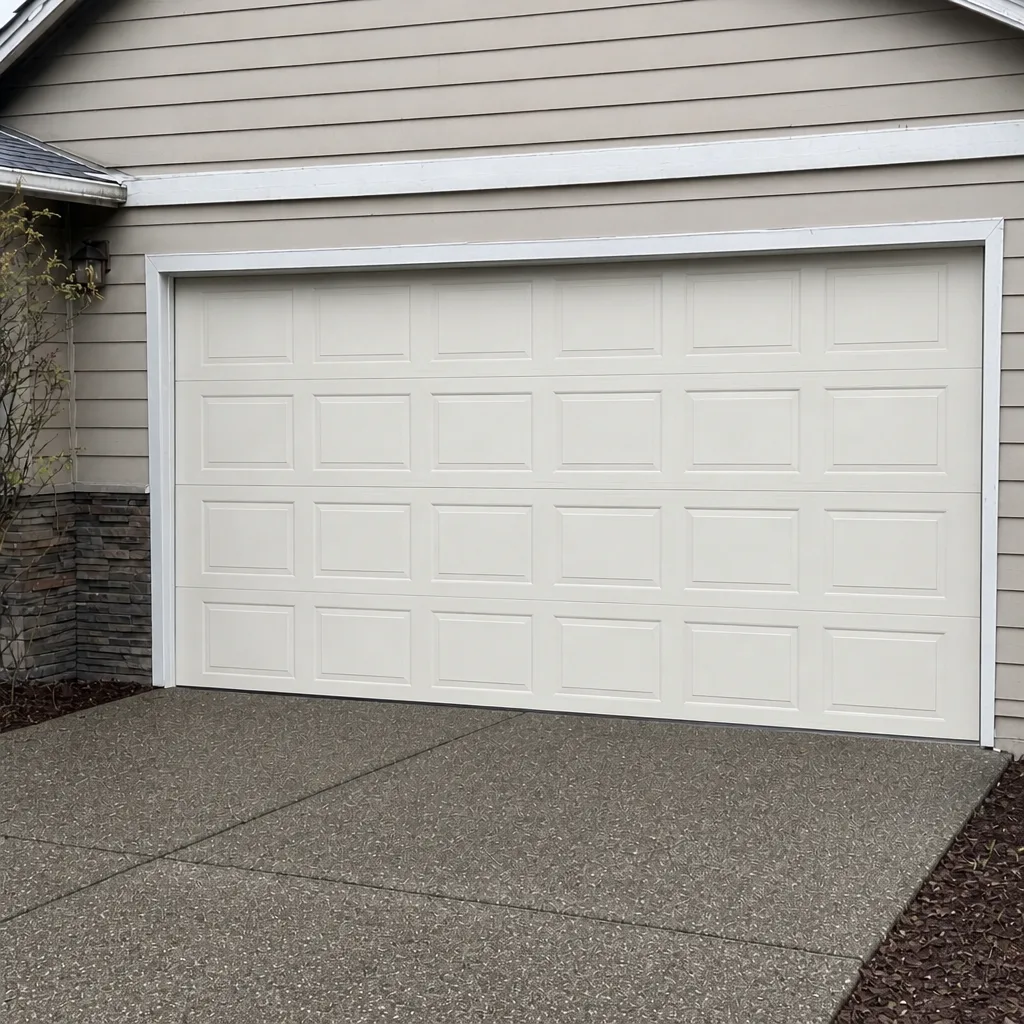 After
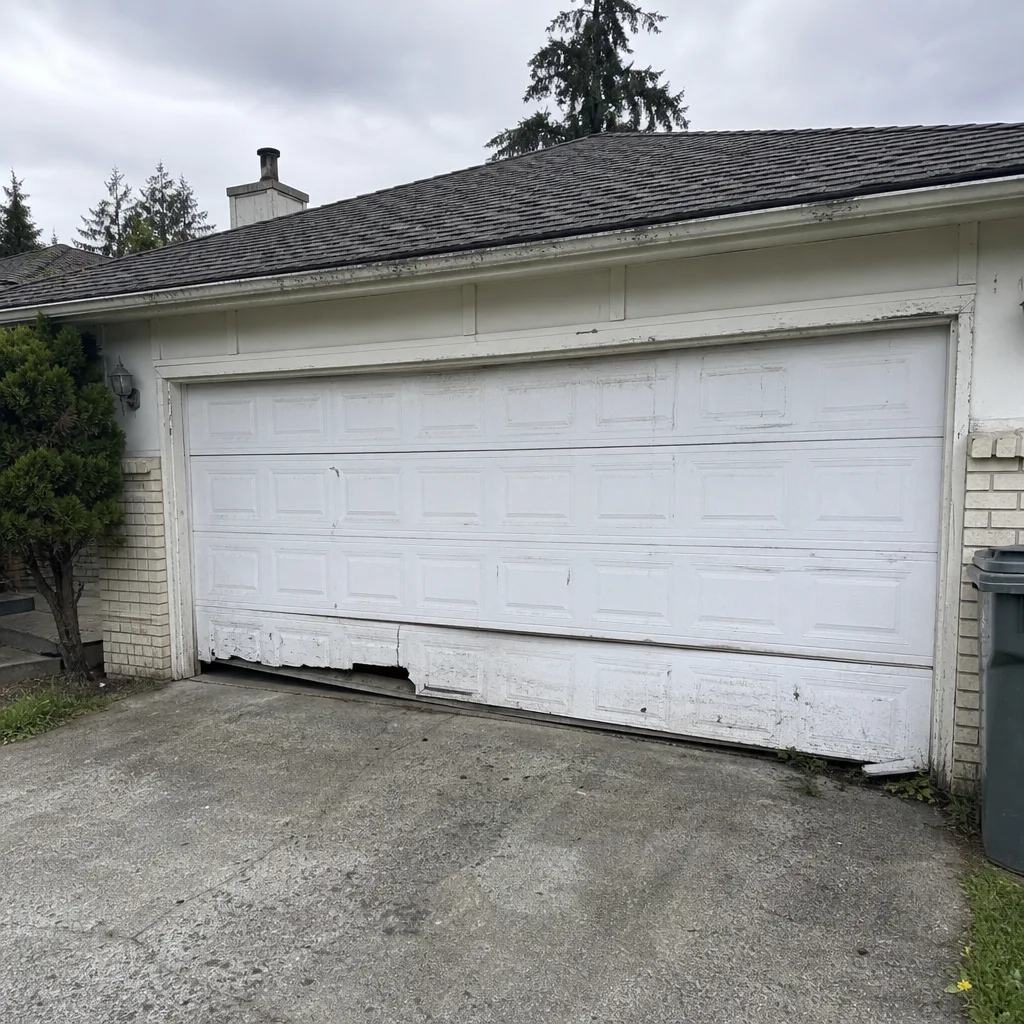 Before
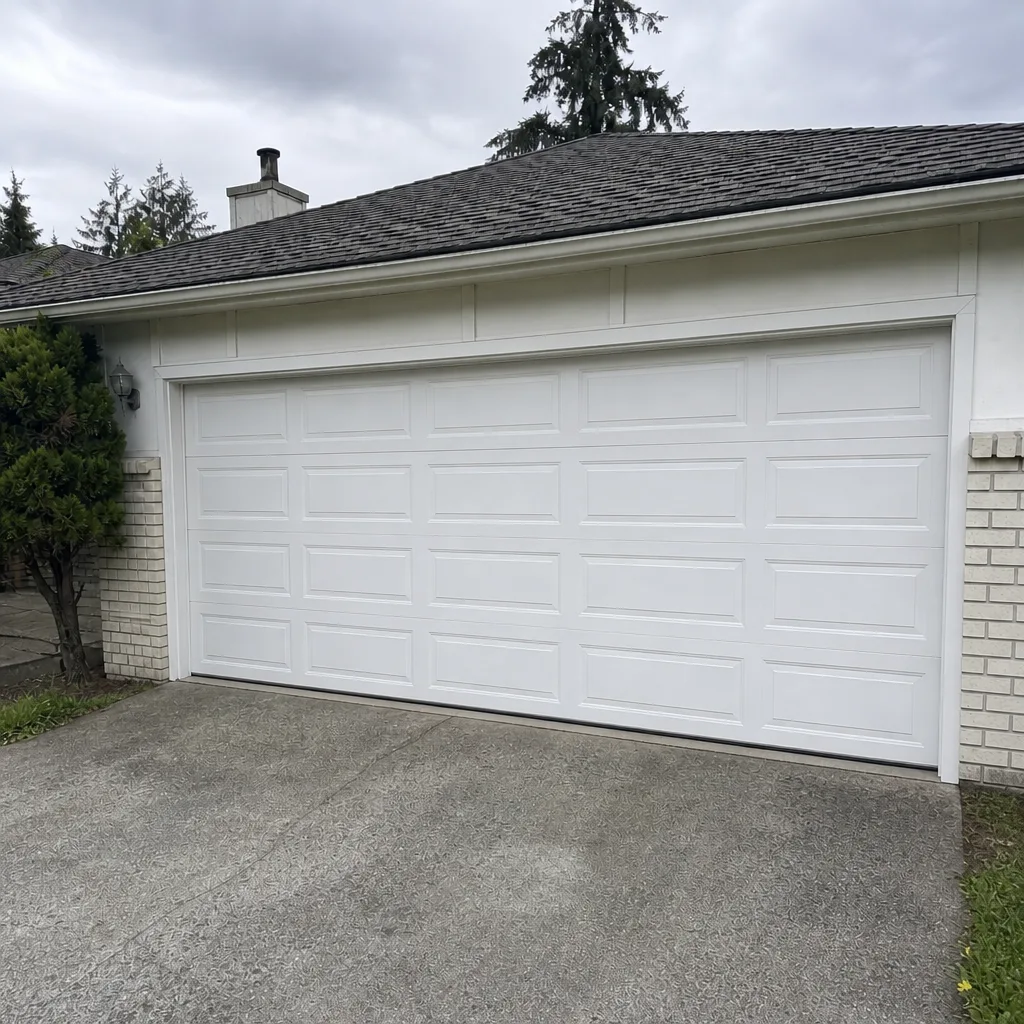 After
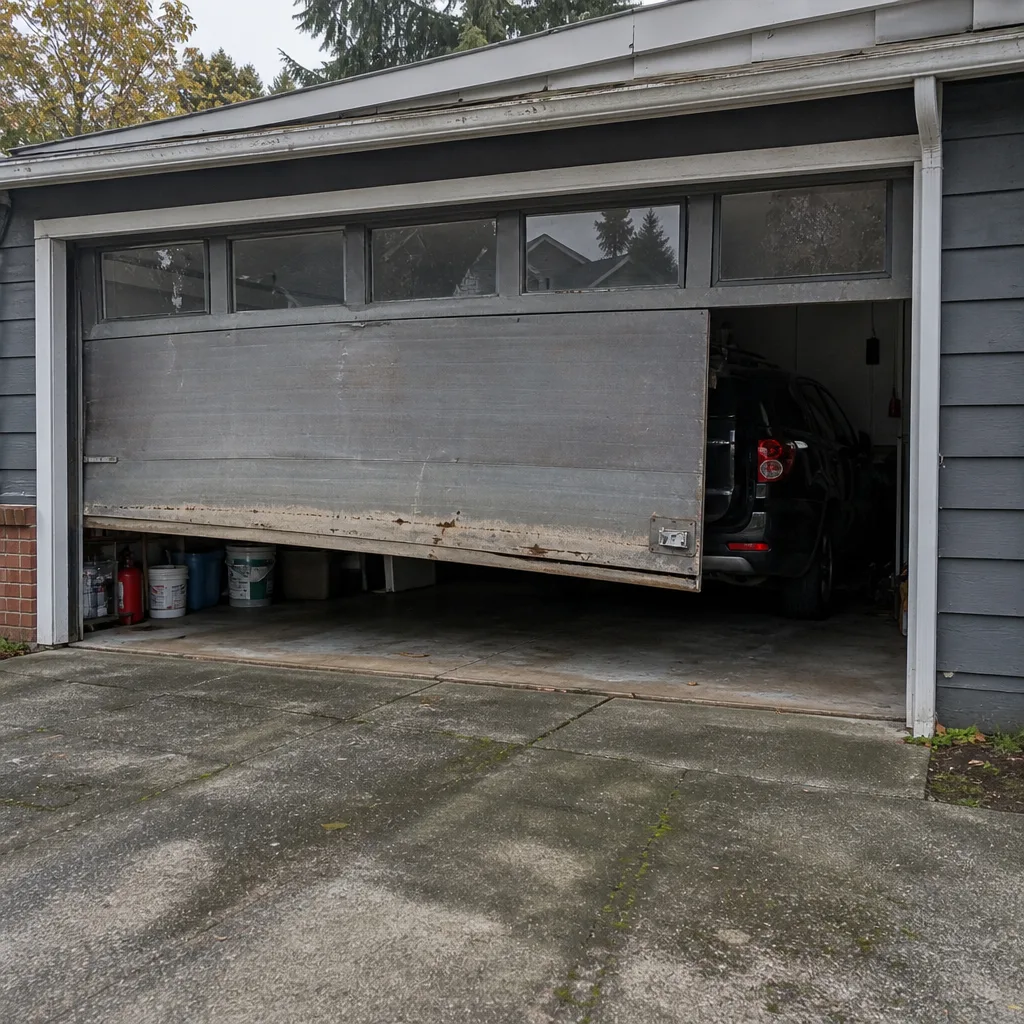 Before
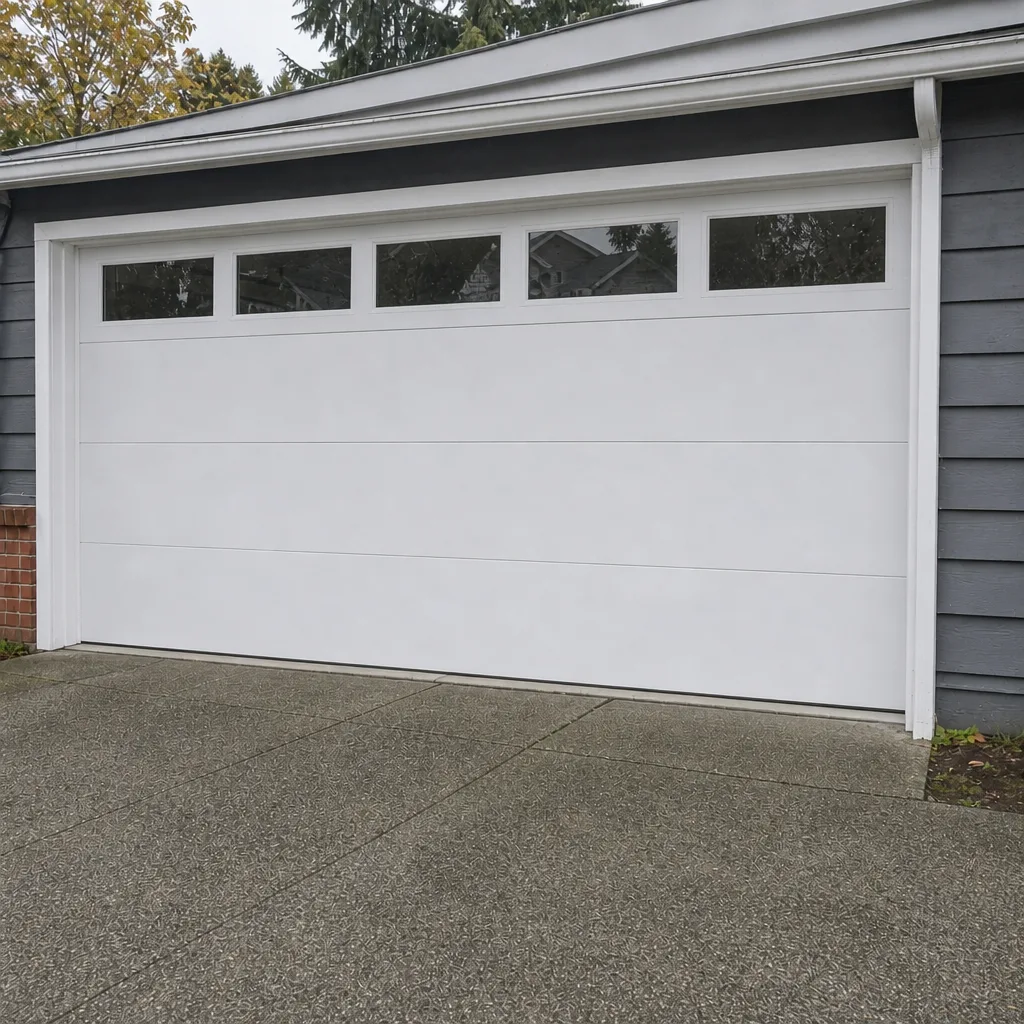 After
When to Call a Professional
Call a professional if the spring is broken, the cable has snapped or gone slack, the door is off the track, the opener has stopped working or cycles erratically, or the door is binding enough that you have to force it. Also call if the door won’t close fully, if it reverses before touching the floor, or if you’re hearing a bang or snap from the ceiling assembly. Any of those are a signal to stop using the door and get someone out to assess it. Renton Garage Door Repair Pros offers free estimates in Renton – call (833) 508-9224. We answer 24/7. Fast dispatch, 7am-7pm, Sunday through Friday. If you call outside dispatch hours, we’ll book you into the next opening. Estimates are free and the written price is agreed before any work starts.
Frequently Asked Questions
We don’t recommend it. A torsion spring stores enough energy to cause serious injury, and the tools and correct spring matching matter more than most homeowners realize. The savings rarely justify the risk. Call (833) 508-9224 for a free estimate – the written price is set before any work starts.
It can, if the unpermitted work is connected to the damage. This is why we tell homeowners to ask the city’s building department before doing anything structural. For cosmetic, spring, or opener work, the permit question rarely comes up. For framing or anchor changes, call the city first.
It varies more by model than by brand. Older LiftMaster and Genie units tend to have simple head-unit pairing. Newer smart models, including many Chamberlain units, can involve proprietary setup steps. If the pairing routine doesn’t take after two attempts, call us – remote programming and connectivity troubleshooting are part of a standard service call.
Sometimes, but the risk is high enough that we’d have it checked first. A door that requires a nudge to close is usually showing you a track or roller problem, and forcing it accelerates wear on the opener. Call us for a free estimate before you run it again. The cost of a small repair now is far below a spring and opener replacement later.
It’s an emergency if the door is stuck open, stuck half-open, off the track, or making a snapping or banging sound. Those are the situations that create a security or safety risk right away. Call (833) 508-9224. We answer 24/7. Fast dispatch from 7am to 7pm, Sunday through Friday.
Not usually for spring, opener, or standard repair work. For structural changes – anything touching framing, headers, or anchor points on an attached garage – ask the city’s building department. They’re the right source for what needs a permit and what doesn’t, and the answer can affect an insurance claim later. We’re happy to talk through what we’re doing on your door so you know what category your project falls into.
The Bottom Line
The DIY-versus-pro decision comes down to energy and liability, not confidence. Weatherseal, sensors, lubrication, and remote reprogramming are yours to handle. Springs, cables, and track work belong to a trained technician, and the math on doing them yourself almost never works out. If a small problem is turning into a bigger one, stop using the door and get a free estimate before it compounds. Call (833) 508-9224. We answer 24/7. Fast dispatch, 7am-7pm, Sunday through Friday. Renton Garage Door Repair Pros works on your brand – Raynor, LiftMaster, Chamberlain, Genie, and the other major names – so one call covers the diagnosis and the fix.
Written by the team at Renton Garage Door Repair Pros.